Understanding Actinic Keratosis: What You Need to Know About Pre-Cancerous Lesions
- posted: Oct. 29, 2025
Actinic keratosis (AK) is one of the most common skin conditions dermatologists see, especially in sunny regions like Palm Beach Gardens, FL. While these rough, scaly spots may seem harmless, they’re considered pre-cancerous lesions, meaning they have the potential to develop into skin cancer if left untreated. At Gardens Dermatology & Cosmetic Surgery Center, our team helps patients detect and manage actinic keratosis early, offering advanced treatments to restore skin health and prevent progression.
What Is Actinic Keratosis?
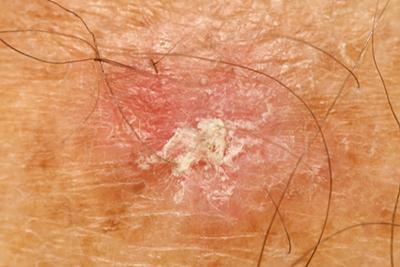
Actinic keratoses form after long-term exposure to ultraviolet (UV) radiation from the sun or tanning beds. Over time, UV damage causes skin cells to grow abnormally, leading to rough or crusty patches that may be pink, red, tan, or even skin-colored. These lesions are most often found on areas that get frequent sun exposure, like the face, ears, scalp, neck, forearms, and backs of the hands.
Many people first notice them as small, sandpaper-like spots that can feel tender or itchy. Although actinic keratosis itself isn’t cancer, it can develop into squamous cell carcinoma.
Who Is at Risk?
Anyone can develop actinic keratosis, but certain factors increase the risk. People with fair skin, light hair, and light eyes are more prone to sun damage. Those who spend a lot of time outdoors, whether for work, sports, or leisure, are also more likely to develop these lesions, especially without consistent sunscreen use. The condition typically appears in adults over 40 but can occur earlier in people with a history of significant UV exposure.
How Dermatologists Diagnose and Treat AK
At Gardens Dermatology & Cosmetic Surgery Center, our dermatologists are skilled at identifying actinic keratoses through a detailed skin exam. When necessary, we may perform a biopsy to rule out skin cancer.
Treatment depends on the number and location of lesions, as well as the patient’s overall skin health. Common options include:
- Cryotherapy (freezing): Liquid nitrogen is applied to the lesion to destroy abnormal cells.
- Topical medications: Prescription creams encourage the immune system to clear damaged cells.
- Photodynamic therapy (PDT): A photosensitizing agent is applied to the skin and activated with light to target precancerous cells.
- Chemical peels or laser therapy: These procedures can help remove surface lesions while improving skin tone and texture.
Your Palm Beach Gardens, FL, dermatologist will design a treatment plan appropriate for your skin type, medical history, and cosmetic preferences.
Prevention and Ongoing Care
Because actinic keratosis is caused by cumulative sun damage, prevention focuses on UV protection. Daily use of broad-spectrum sunscreen, protective clothing, and hats can significantly reduce your risk. Regular skin checks, both at home and with your dermatologist, are essential for catching new lesions early.
Patients who have had actinic keratoses should schedule routine follow-up visits, since the likelihood of recurrence or new lesions remains high over time.
Early Detection Makes a Difference
When caught and treated early, actinic keratosis is highly manageable. The key is recognizing changes in your skin and seeking professional care before lesions progress.
If you notice rough patches or scaly spots that don’t heal, contact Gardens Dermatology & Cosmetic Surgery Center in Palm Beach Gardens, FL. Our board-certified dermatologists offer expert evaluation and treatment options to keep your skin healthy, clear, and protected throughout life. Call (561) 776-7041.